


Research Links Social Media Exposure to Adolescent Cannabis and E-Cigarette Usage
August 2, 2025 | by magnews24.com
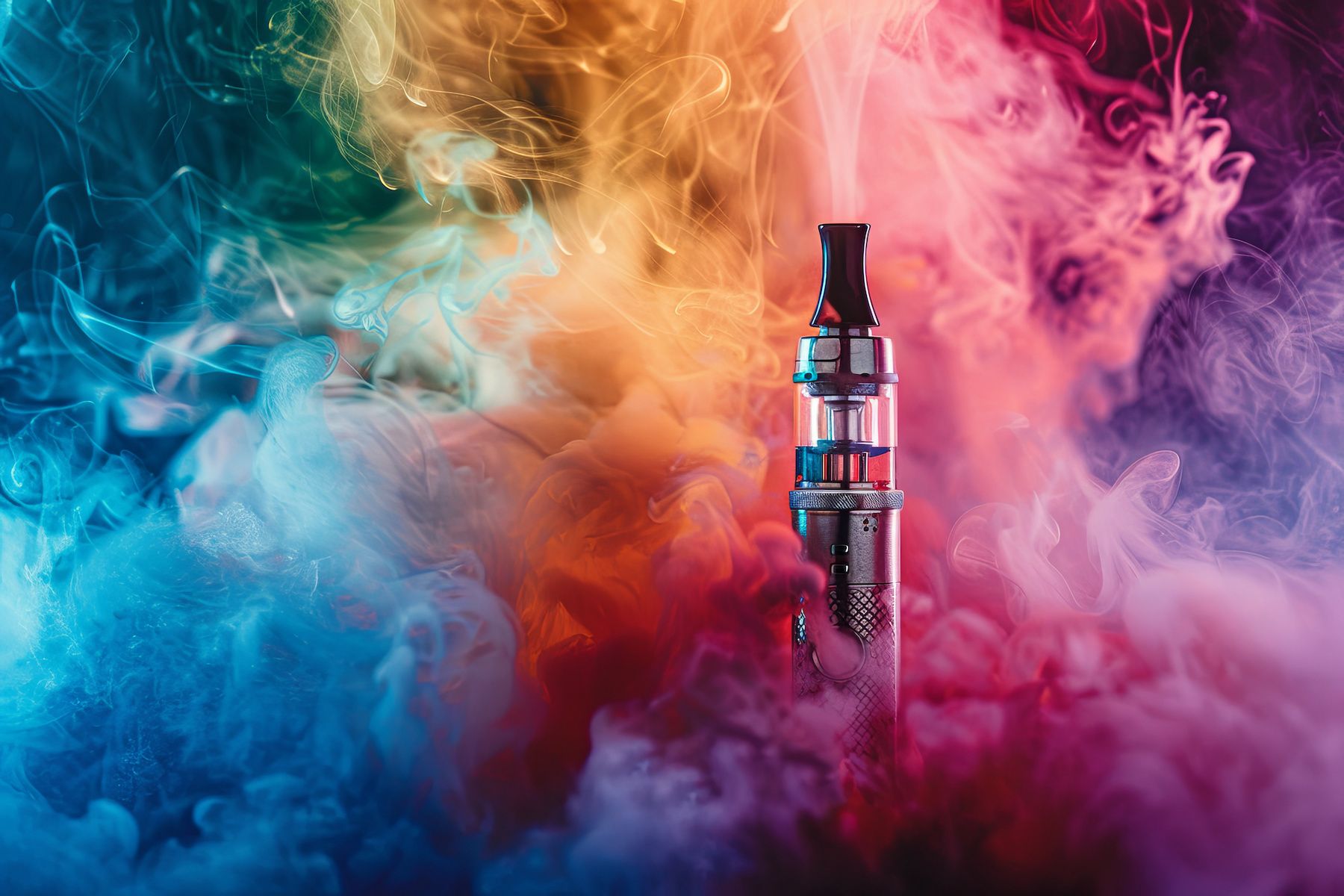
A recent study published in JAMA Network Open underscores the significant influence of social media interactions on substance use among adolescents in the United States. The researchers concluded that exposure to content related to e-cigarettes and cannabis on social platforms is linked to increased usage rates among young individuals. In light of these findings, the authors advocate for the enhancement of social media guidelines and stricter regulations surrounding the marketing of e-cigarettes and cannabis, aiming to curb the escalating trend of substance use in this demographic.
The study reveals a troubling landscape for adolescent substance use. Data from 2024 indicate that 3.5% of middle school and 7.8% of high school students reported current e-cigarette use, while cannabis use figures were reported at 8.3% among 8th graders and a striking 29% among 12th graders within the past year. Moreover, at least 1.63 million students in high school and middle school are currently engaging in e-cigarette use, with 87.6% of them favoring flavored products and a notable 26.3% engaging in daily use.
Despite some contradictory trends in cannabis consumption among adolescents—specifically, a recorded decline from 23.1% to 15.8% between 2011 and 2021 as reported by Florida Atlantic University—this apparent reduction conflicts with current social media trends and emerging data. According to the Pew Research Center, approximately 35% of youth aged 13 to 17 use social media platforms “almost constantly,” thus providing fertile ground for the promotion and dissemination of e-cigarette and cannabis-related content that may influence usage behaviors.
To elucidate the relationship between social media exposure and substance use, researchers executed two distinct surveys targeting California adolescents. The first was a longitudinal survey conducted in 2021-2022 to establish baseline data, while the second cross-sectional survey in the fall of 2023 focused on content specifics from various sources including friends, microinfluencers, and brands. Findings indicated that frequent exposure to cannabis content was particularly associated with subsequent usage of cannabis, e-cigarettes, and dual utilization. Specifically, 22.9% of adolescents reported consistent exposure to e-cigarette content, and 12% to cannabis content, with the latter associated with increased rates of solo and dual substance use.
The study’s conclusions highlight the urgent need for comprehensive investigations into the interplay between social media guidelines, marketing practices, and adolescent substance use. The authors call for enhanced regulatory measures to curb access to promotional content related to e-cigarettes and cannabis, particularly from influencers. They posit that such reforms could play a crucial role in reducing the public health risks linked to adolescent substance use.
Future research directions may include evaluating the impact of evolving tobacco and cannabis policies, such as state legalization efforts and more rigorous pre-market application reviews for e-cigarette products. Additionally, implementing stricter measures for social media content monitoring and enforcement could significantly influence adolescent exposure levels to harmful substance-related marketing.
In conclusion, as social media continues to play a pivotal role in shaping adolescent behaviors, strategically revising social media guidelines and marketing regulations is essential to mitigate potential risks associated with youth involvement in e-cigarette and cannabis usage. As this phenomenon evolves, it is imperative that stakeholders—ranging from policymakers to health educators—remain vigilant and proactive in addressing these pressing public health concerns.
RELATED POSTS
View all


Local Leaders Commemorate the Inauguration of a New Child Care Facility in Luverne, Minnesota
April 17, 2025 | by magnews24.com

Cozy Sauna Solutions: The Infrared Sauna Blanket for At-Home Wellness Enhancement
February 18, 2025 | by magnews24.com